Vinyl Deck Cracks, Bubbles and Leaks: Repair or a New Membrane?
A bubble, a split seam or a stain on the ceiling below can mean very different things on a vinyl sundeck. What the warning signs may mean, how the deck is assessed, and when replacing the vinyl membrane is the right repair.
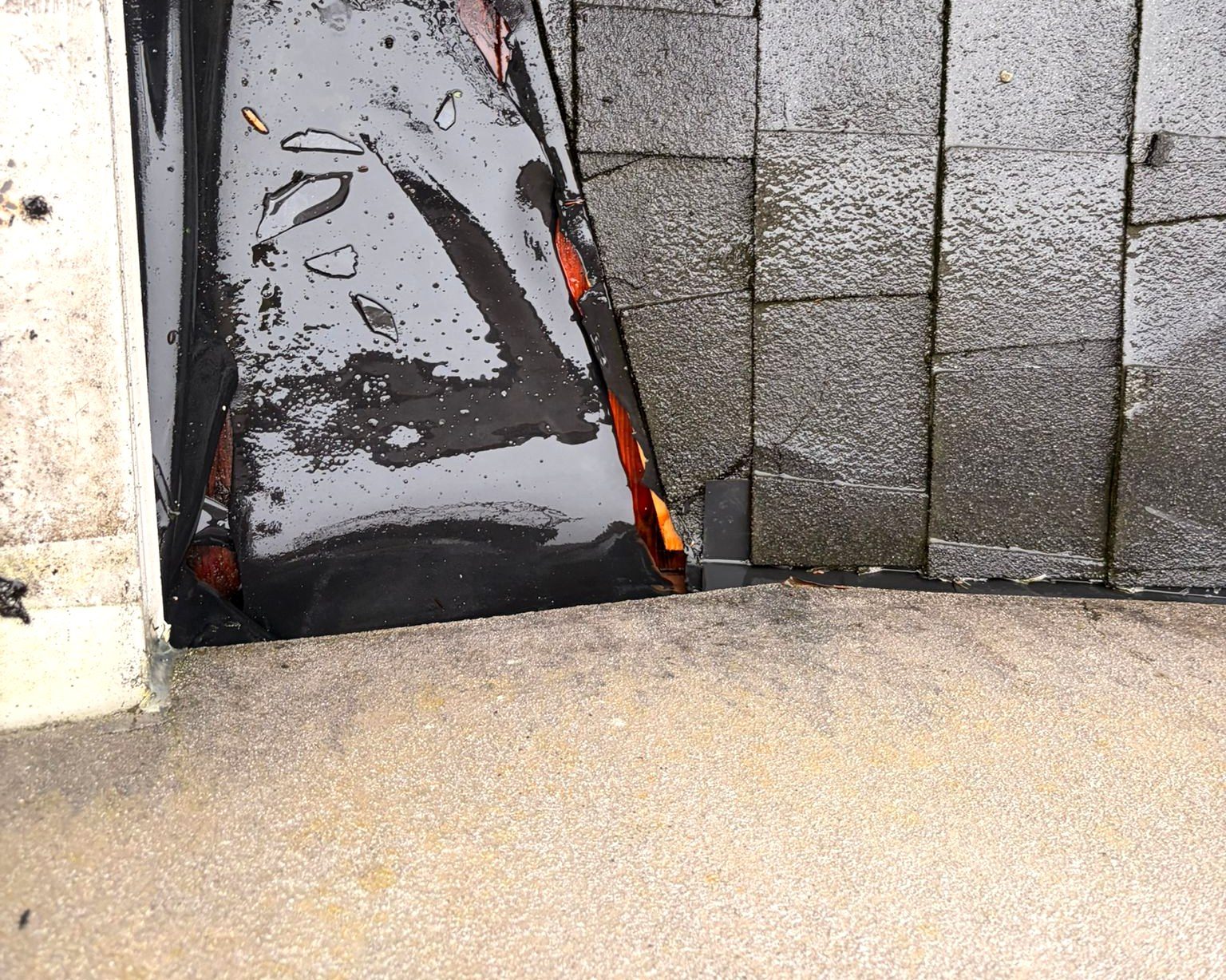
On a vinyl sundeck or balcony, the vinyl is not just the finish you walk on. It is the waterproofing for whatever sits underneath, often a bedroom, a living room or a carport. So when the surface cracks, bubbles or starts to lift, the real question is not how it looks. It is whether water is getting into the wood below. Here is how to read the signs, and how we decide what the repair should be.
Seeing these signs on your deck now? Our vinyl deck repair service explains how we check the membrane and the structure under it, and what we recommend next.
What is under a vinyl deck
On a typical vinyl sundeck, the vinyl membrane is bonded to a prepared plywood surface, and the plywood sits on the deck framing. The membrane's seams are hot-air welded so the sheets act as one surface. At the walls, doors, drains and outer edges, the membrane has to tie into flashing and the other details that steer water away from the house. Problems at those junctions can matter as much as damage in the middle of the deck.
In Metro Vancouver, a vinyl sundeck often sits over a room, a garage or a carport, so it is part of the house's protection from rain, not just an outdoor floor. That is why a leak under one is worth investigating early.
Why is my vinyl deck bubbling?
Bubbles in a vinyl deck can have different causes. Some form from trapped gases or adhesive conditions during installation, and some of those settle on their own. Others can come from moisture under the vinyl, movement in the plywood, or the vinyl losing its bond with the surface beneath.
A bubble that keeps growing, or one near an open seam, a damaged edge or a leak below, is worth having assessed. Do not cut, puncture or peel the membrane to look underneath: that can let water in where there was none.
Cracks and splits
Cracking, splitting or worn areas can come from age, from physical damage, or from movement in the plywood or framing underneath. Vinyl membranes have an estimated service life of 15 to 25 years, but age alone does not decide whether a deck needs a new membrane. Condition does.
A mark on the surface does not always mean the membrane has been cut through. An assessment tells you whether it has, and whether the deck under it has been affected.
Lifting or open seams
Seams and edges are where a vinyl deck is most exposed. A seam that has opened, or an edge that has started to curl away from the wall or the fascia, gives water a possible way under the vinyl. Whether water has actually got in, and whether the edge detail or the flashing beside it is involved, needs a closer look.
Why is my vinyl deck leaking into the room below?
Staining or dripping under a vinyl sundeck means water is getting in somewhere in the surrounding assembly. The source may be the membrane or a seam, but it can also be a door threshold, the flashing at a wall, or the siding nearby. Water can travel along hidden surfaces before it shows, so the stain does not always sit under the entry point.
If you see this, keep the room below as dry as you can and have the deck looked at soon. The longer wood stays wet, the more likely it is to need repair.
Soft spots underfoot
A soft or spongy spot can point to damaged plywood, movement in the framing, or another problem under the membrane. Avoid walking on that area until it has been assessed. If the surface under the vinyl is no longer sound, it has to be repaired before a new membrane can go on.
Repair the deck, or replace the vinyl?
A deck can need repair without needing a rebuild. Here is how we decide:
- If the membrane itself has failed or is near the end of its life and the plywood and framing are sound, the usual answer is a new membrane over the existing deck, and the sound structure stays.
- If moisture has reached the plywood or framing, we check the condition of that wood. Any that is no longer sound is replaced before the new membrane goes on, and the flashing and other places water got in are corrected too.
- If damage runs through the structure or the ledger where the deck meets the house has failed, a larger rebuild may be the right call. We explain what we found and the scope before quoting.
Some damage only shows once the old membrane is lifted, so the assessment tells you what we can see and what the work is likely to involve.
What you can do now
- Take photos of the bubbles, cracks, open seams and any stains below. They help show how things change over time.
- Keep drains and scuppers clear so water does not pool on the deck.
- Avoid covering cracks or seams with off-the-shelf sealant. It can hide where the water is getting in.
Getting it checked
We are Duradek-trained applicators, and our new membranes have hot-air welded seams. We are also part of Pacific Coast Contracting, so if the work turns up rot or framing damage, our own crews handle it in the same job. Our vinyl deck waterproofing page covers new membranes, and our guide to the signs your deck needs repair or replacement walks through the structure check for a wider rebuild.
Book a free on-site assessment. You'll get a written quote within a week of the site visit.
Daniel
Owner, PCC Decking